
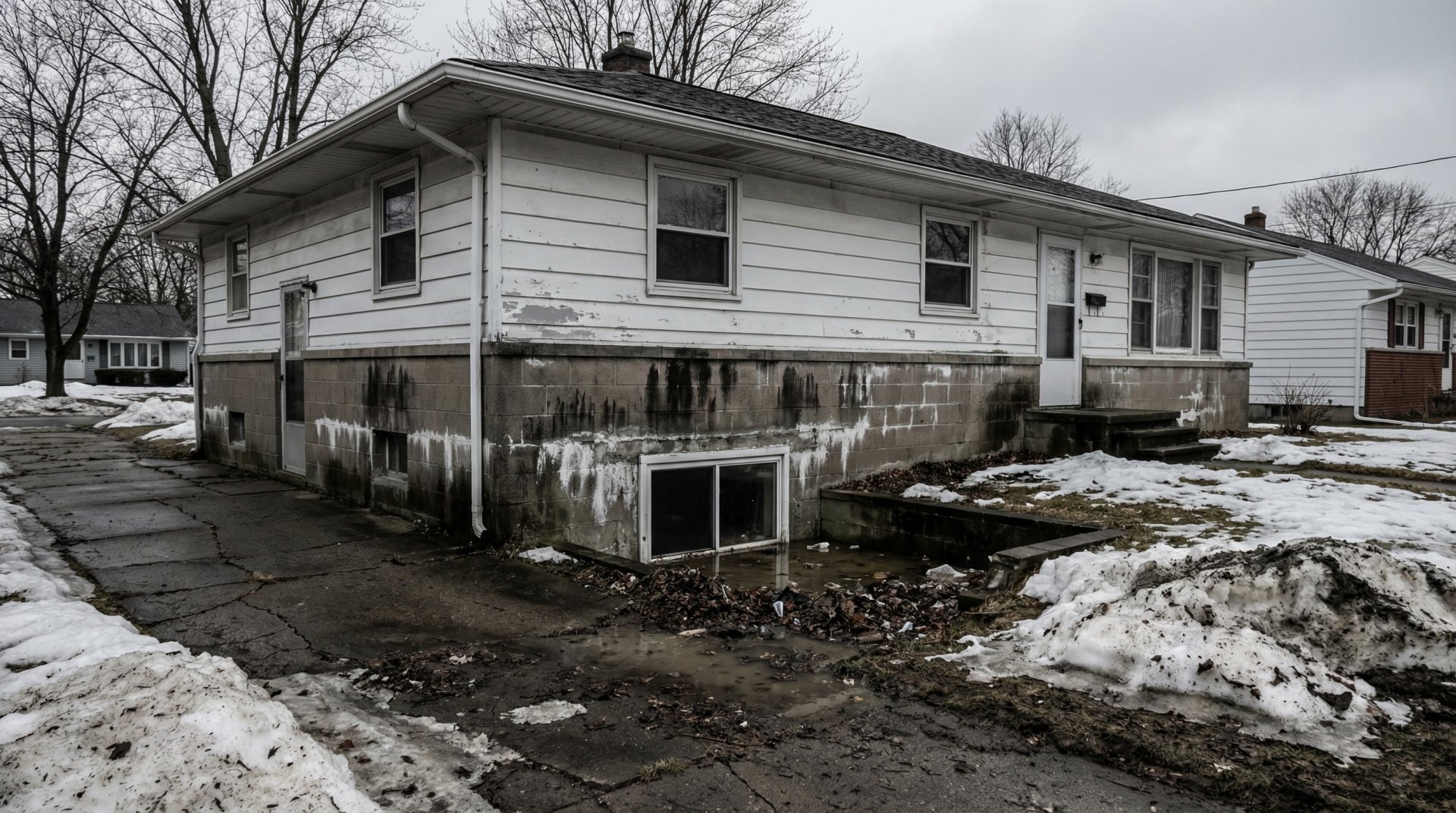
Water Damage Insurance Denied in Buffalo
Flood exclusion. Pre-existing damage. Maintenance neglect. Insurers have a long list of reasons to deny water and mold claims in Western New York — and Buffalo’s aging housing stock gives them plenty to work with. Here’s what’s actually happening and what you can do about it.
What’s Actually Happening
The Insurer Called It a Flood. Your Basement Disagrees.
The most common water damage claim denial in Western New York isn’t fraud or negligence — it’s a coverage classification argument. Standard homeowner’s policies exclude flood damage. Insurers know this. So when a Buffalo basement fills with water during spring thaw or a heavy rain event, the adjuster’s job is often to find a path to “flood” or “groundwater intrusion” — both excluded — rather than “sudden and accidental discharge,” which is covered. The difference between those two determinations is the entire claim.
It’s a distinction that plays out constantly in pre-war East Side two-families with block foundations, postwar Cheektowaga ranches with cove joint seepage issues, and vinyl-clad Capes in West Seneca where the drain tile system was original to 1955. Erie County’s Chenango-Langford clay soil holds water against foundations for weeks after snowmelt. The water comes in. The insurer decides what to call it.
If that determination went against you — or if mold was found after the water damage and the insurer is calling it “pre-existing” — you have options. A DFS complaint, a licensed public adjuster, or a direct cash sale that sidesteps the whole dispute. We buy water-damaged and mold-affected Buffalo homes without requiring remediation, a settled claim, or an active policy.
Water damage and mold almost always travel together in WNY. If mold is part of your situation, our mold removal guide covers the NYS Article 32 licensing requirements, what remediation actually costs in Erie County, and how mold affects a traditional sale. It’s worth reading before you talk to any contractor or adjuster about scope.
On the structural side, the basement water problems guide explains why WNY’s clay soil and aging foundations create the conditions that generate these claims in the first place — and why the insurer’s “flood exclusion” argument is so effective against older housing stock.
If the water damage came with a pipe failure or sewer backup rather than groundwater intrusion, see our sewer backup insurance guide — that’s a different coverage question with different denial patterns.
Four Ways Water Damage Claims Get Killed in Buffalo
Every one of these shows up regularly in WNY water damage disputes — and every one is specific to how Buffalo’s housing stock and climate interact with standard policy language.
The Flood Exclusion Play
Standard HO-3 policies cover “sudden and accidental discharge or overflow” but exclude surface water, groundwater, and flooding. Erie County’s clay soil holds spring snowmelt against foundations for weeks — giving adjusters a credible argument that basement water entry was groundwater-driven rather than a covered discharge event. On pre-1960 block foundation homes, this argument almost always wins unless you push back hard.
Pre-Existing Damage Finding
When a water event triggers a claim, the adjuster inspects the whole property. Efflorescence on basement walls, old staining, mineral deposits, any evidence of prior moisture — all of it becomes “pre-existing damage” that the insurer argues was not caused by the current event. In Buffalo’s older housing stock, almost every basement shows some evidence of prior moisture. The finding is almost automatic.
Mold as Maintenance Issue
Mold discovered during a water damage claim is frequently denied as a maintenance issue rather than a direct result of the covered event. Under most HO-3 policies, mold caused by “continuous or repeated seepage” is excluded — and the adjuster will argue that any mold present grew over time, not as a result of the single event. See our mold claim denial guide for how this plays out under NYS Article 32.
Failure to Mitigate
Policies require you to take reasonable steps to prevent further damage after a loss event — drying out, extracting standing water, calling a remediation company promptly. If the adjuster can argue that mold or secondary damage grew because you didn’t act fast enough, that portion of the claim gets denied. In practice, “fast enough” in WNY means within 24–48 hours of the event — before most homeowners have even reached their insurer.
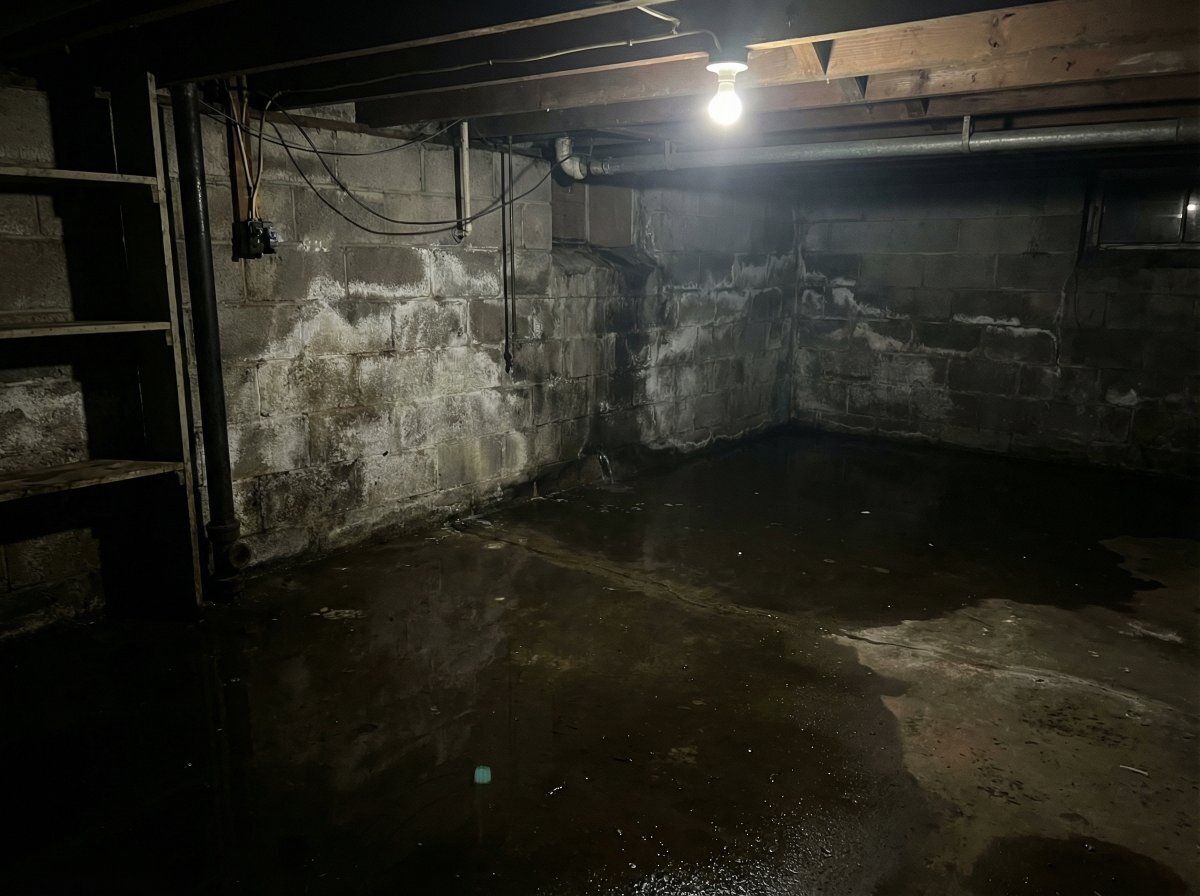 Basement Water Intrusion
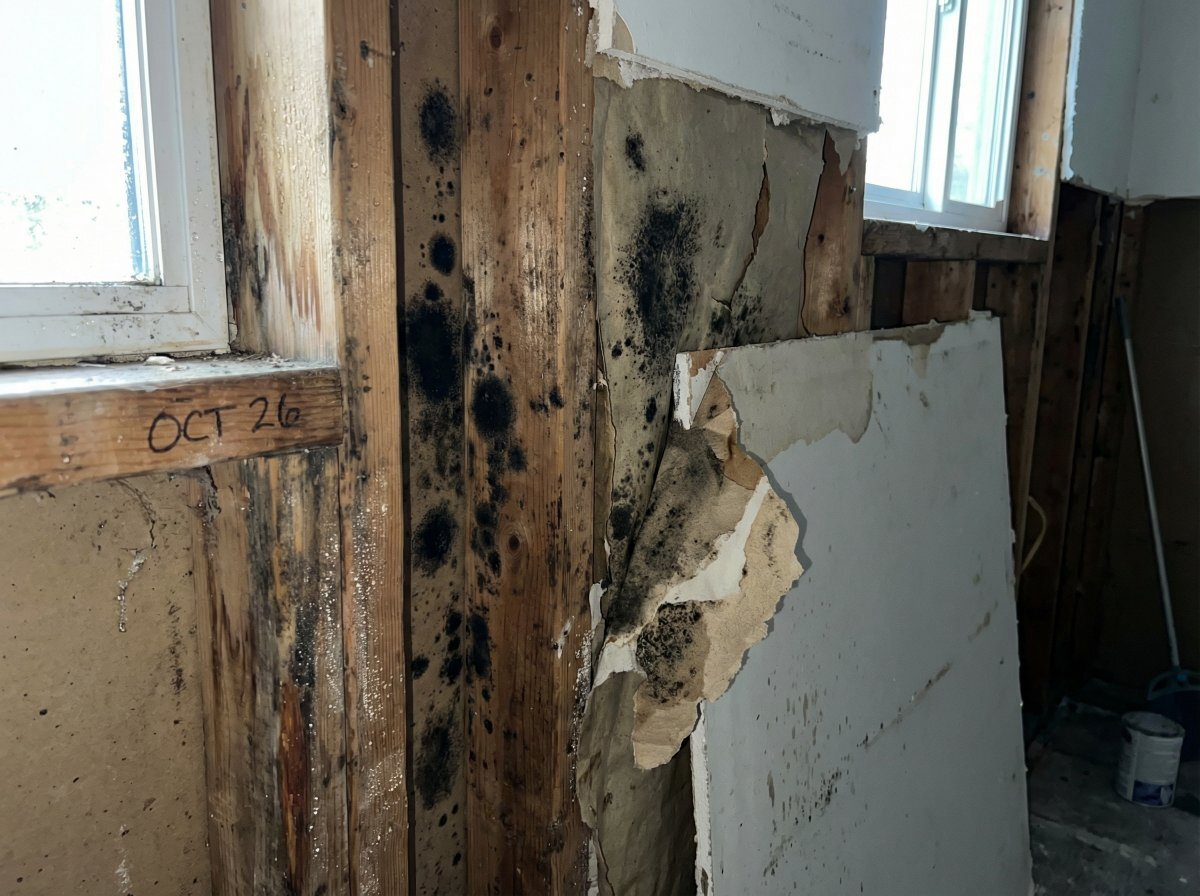 Water Damage & Mold
 Cash Closing
Go Deeper
More on Water & Mold Insurance Claims in Buffalo
Flood Exclusion Denial
How insurers use the flood exclusion against WNY basement water entry — and what “sudden and accidental” actually means under NY policy language.
Read Guide →Mold Claim Denied
Why mold claims get denied as maintenance issues in Buffalo and how NYS Article 32 licensing requirements affect what you can legally do about it.
Read Guide →Sewer Backup Insurance
Sewer backup is a separate coverage add-on most WNY homeowners never purchased. What’s covered, what’s not, and what Erie County sewer overflow actually looks like.
Read Guide →Sell With Water Damage or Mold
How a cash sale works on a water-damaged or mold-affected Buffalo property — no remediation required, no insurance settlement needed first.
Read Guide →Common Questions
Water Damage Insurance Claim FAQ — Buffalo NY
My basement flooded during spring thaw and the insurer called it a flood exclusion. Is that a valid denial?
It depends on how the water actually entered. The flood exclusion applies to surface water, groundwater, and water that overflows from a body of water — Lake Erie, Ellicott Creek, Buffalo Creek. But if the water entered through a pipe failure, a sump pump overflow, or a covered discharge event, it’s potentially covered regardless of how the adjuster characterized it. The key question is whether the entry was “sudden and accidental” or the result of gradual seepage. Erie County’s clay soil creates conditions where the line is genuinely ambiguous — which is exactly why insurers use this denial so aggressively here. If your denial letter cites the flood exclusion, file a complaint with NY DFS at dfs.ny.gov and request a written explanation of how they classified the water entry.
The adjuster found “pre-existing damage” in my basement and used that to deny my claim. What can I do?
Pre-existing damage findings are one of the most contested issues in WNY water damage claims. The insurer has to show that the damage they’re excluding was actually pre-existing — not caused by the current event. In Buffalo homes, where almost every basement shows some evidence of historic moisture, adjusters routinely use mineral deposits or efflorescence as evidence of “prior damage” even when those conditions are cosmetic and unrelated to the current event. A licensed public adjuster can challenge the scope of that finding — specifically which damage is attributable to the current event versus prior conditions. If the denial amount is significant, that challenge is worth pursuing. See our guide on public adjusters for how to find one in Erie County.
Can I sell my Buffalo home with water damage and mold if the insurance claim was denied?
Yes — the denial doesn’t affect your ability to sell. It affects a conventional buyer’s ability to finance the purchase, since lenders require the property to be insurable. But a cash buyer has no lender and no insurance requirement. We’ve purchased water-damaged and mold-affected properties in South Buffalo, Riverside, Lovejoy, Tonawanda, and Cheektowaga with denied claims, open disputes, and no claim filed at all. The condition of the property factors into our offer — we don’t require remediation before we close.
My insurer denied the mold portion of my claim but approved the water damage. How does that work?
This split outcome is common in WNY. The water event itself — a pipe burst, a covered discharge — gets approved. But the mold that grew as a result gets denied under the “continuous or repeated seepage” exclusion or as a maintenance issue. The insurer’s argument is that the mold existed or was allowed to develop due to deferred maintenance rather than as a direct consequence of the covered event. Under NYS Article 32, mold remediation over 10 square feet requires a licensed assessor and remediator anyway — which means the cost can escalate quickly regardless of what the insurer covers. If the mold scope is significant and you’re already weighing selling, it’s worth running the comparison between remediation cost plus sale versus a direct as-is cash offer.
How long does a water damage claim dispute take in New York?
An uncontested water damage claim in NY should acknowledge within 15 business days and resolve within 30–45 days of the loss. In practice, disputed claims — especially those involving mold scope, pre-existing damage arguments, or flood exclusion determinations — can run 6–12 months once documentation requests and adjuster reinspections are factored in. A DFS complaint typically produces a response within 30–60 days and often moves things faster than direct negotiation with the carrier. Buffalo homeowners with open water damage disputes longer than 90 days without a payment should file with DFS as a first step.
The insurer says I didn’t mitigate fast enough and is using that to limit my claim. Is that enforceable?
Yes — the duty to mitigate is real and written into most NY homeowner’s policies. You’re required to take reasonable steps to prevent further damage after a covered loss event. What’s “reasonable” is arguable, though. If you called a remediation company within 24–48 hours, documented the damage, and took steps to extract water, that’s typically considered reasonable even if mold still developed. Where adjusters have more leverage is when the property sat wet for days without action. If you have documentation — call logs, photos with timestamps, contractor invoices — that shows prompt response, that evidence directly challenges a mitigation argument. A licensed public adjuster in Erie County can help build that case.
Does NCB buy homes with significant mold damage in Buffalo?
Yes. Mold — including black mold in basements, mold on attic sheathing from ice dam moisture, and mold in wall cavities after water intrusion — is one of the most common conditions we see in WNY properties. We’ve purchased homes in the Lovejoy neighborhood and along Buffalo Creek in West Seneca where mold was present throughout the basement framing. We factor remediation cost into our offer. NYS Article 32 requirements apply to whoever does the remediation — that’s our concern after closing, not yours before it.
Related Insurance & Condition Guides
We Buy Water-Damaged & Mold-Affected Homes Throughout Western New York
Buffalo • Cheektowaga • Tonawanda • Amherst • Lackawanna • West Seneca • Hamburg • Lancaster • Depew • Kenmore • Lockport • Niagara Falls • North Tonawanda • Grand Island • Orchard Park • Sell As-Is in Buffalo
Nickel City Buyers — Buying Water-Damaged & Mold-Affected Homes in Buffalo & WNY Since 2013
Nickel City Buyers, LLC has been purchasing water-damaged and mold-affected properties across Erie County and Niagara County since 2013 — flood exclusion denials, pre-existing damage findings, mold claims denied under NYS Article 32, and properties where no claim was ever filed. We are a local Buffalo LLC at 3842 Harlem Rd STE 400-339, Cheektowaga, NY 14215. (716) 557-7005. 300+ homes purchased. 32 five-star Google reviews. A+ BBB. Pre-war East Side two-families, postwar Cheektowaga ranches, South Buffalo duplexes — we know what water damage looks like in WNY housing stock and we buy it as-is.
Ready to Move Past the Claim Dispute?
No obligation — a direct conversation about your water-damaged property and your fastest path forward in Buffalo.