
Appraisers &Home Inspectors Buffalo, NY
Two different professionals, two completely different purposes — and most Buffalo homeowners don’t need either one before selling. Here’s what each does, when you actually need one, and what happens when you skip both.
Appraiser vs. Home Inspector — Not the Same Thing
They both visit your Buffalo property. That’s where the similarity ends. Understanding what each professional does — and who hires them — saves you time, money, and confusion when selling.
Purpose: Produces a formal written opinion of the property’s market value based on recent comparable sales in Erie or Niagara County
Who orders it: Almost always the buyer’s lender. Required by banks before issuing a mortgage. Sellers rarely need to order one independently.
What they look at: Square footage, bedroom/bathroom count, lot size, condition, recent sales of comparable Buffalo properties within a defined radius
Cost in WNY: $400–$600 for a standard single-family home in Erie County. More for multi-family or unusual properties.
NYS licensing: Must be licensed by the New York State Division of Licensing Services as a Certified Residential Appraiser or Certified General Appraiser
Purpose: Produces a written report on the physical condition of the home — structure, systems, and components. Does not assign a dollar value.
Who orders it: Almost always the buyer, after an offer is accepted, as part of due diligence. Sellers can order a pre-listing inspection but it’s optional.
What they look at: Roof, foundation, electrical (including knob-and-tube in older Buffalo homes), plumbing, HVAC, insulation, windows, and visible structural components
Cost in WNY: $350–$500 for a standard single-family home. Older Buffalo homes — both pre-war brick and postwar Cape Cods — may cost more due to complexity and inspection time.
NYS licensing: Must be licensed by the NYS Department of State as a Home Inspector. Verify license status at the NYS License Center before hiring.
When You Need
Each Professional
For most Buffalo homeowners selling to a cash buyer, the answer is you need neither. Nickel City Buyers does not require an appraisal or a home inspection before making an offer or closing. We assess the property ourselves, make a cash offer based on our own evaluation, and close without lender involvement — which means no mandatory appraisal and no inspection contingency.
Where appraisers and inspectors become critical is in traditional listings with conventional financing. A buyer using a mortgage requires a bank appraisal. If the appraisal comes in below the agreed sale price, the deal either renegotiates or falls apart. On older Buffalo properties, this happens more than sellers expect. For sellers under time pressure, a failed appraisal can be devastating.
Similarly, a home inspection in a traditional sale gives the buyer ammunition to request repairs, credits, or price reductions after an offer is accepted. On Buffalo’s diverse housing stock — pre-war brick two-families on the East Side and postwar Cape Cods and ranches in Cheektowaga, West Seneca, and Tonawanda — inspection reports routinely run 40–60 pages and generate significant renegotiation. Selling as-is to Nickel City Buyers eliminates this entirely.
For inherited properties, a pre-listing appraisal ordered by the estate can establish the fair market value for tax and distribution purposes — independent of any sale price. This is one of the few situations where a seller-ordered appraisal makes clear financial sense. See our probate guide for details ›
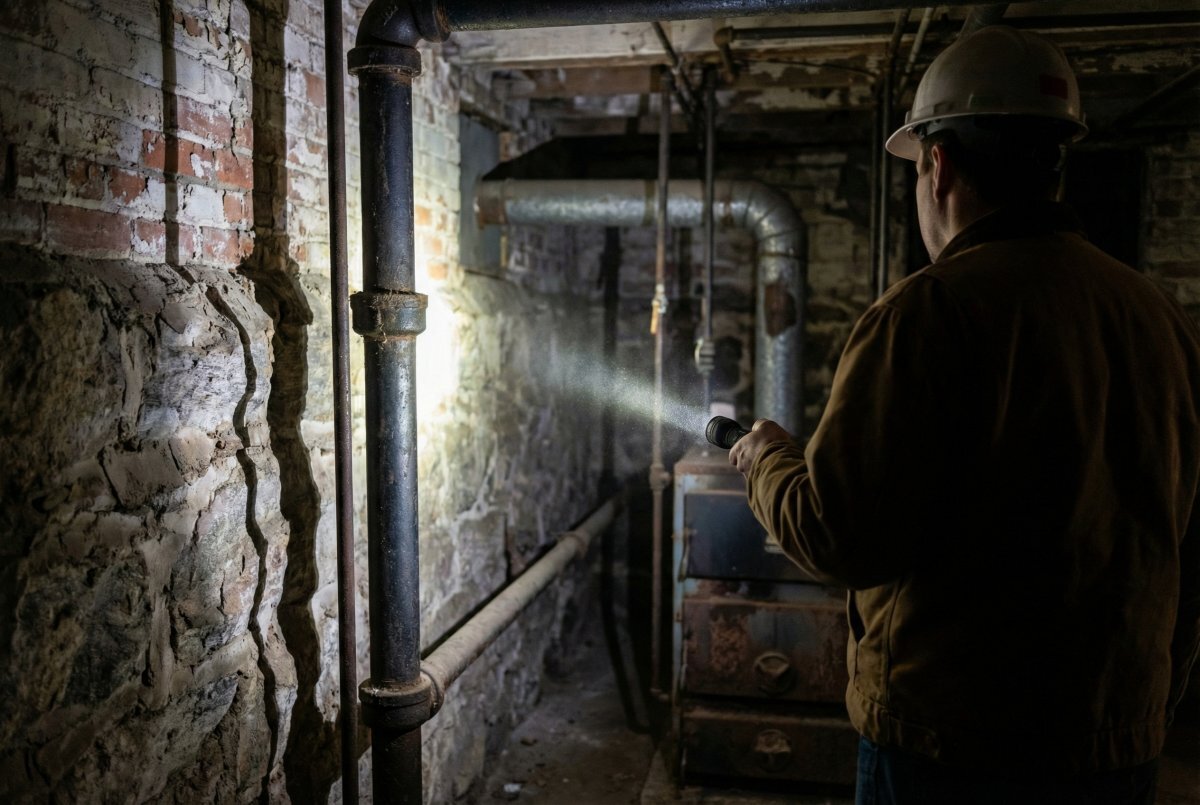
No appraisal required. No inspection required. We assess the property ourselves and make a direct offer.
No inspection neededBank appraisal required by the lender. Buyer will order a home inspection after offer acceptance.
Both likely requiredSeller-ordered appraisal may be needed to establish date-of-death value for tax purposes. Consult estate attorney.
Appraisal optionalSellers can order their own inspection before listing to identify issues early. Useful for traditional sales, not required for cash sales.
Seller’s choiceWhy Your Buffalo Suburb Matters to an Inspector
Experienced WNY inspectors know the local geology, watershed patterns, and housing stock before they walk through the door. Here’s what they’re already expecting to find by neighborhood — and what we already account for in our cash offers.
Kenmore sits on clay-heavy glacial till soil that expands and contracts dramatically through WNY’s freeze-thaw cycles. Postwar Cape Cods and bungalows with block foundations show lateral cracking and bowing at higher rates than almost anywhere else in Erie County. Inspectors almost always flag this here.
Cazenovia Creek and Seneca Creek both run through West Seneca, and the watershed reaches well beyond the creek banks. Low-lying neighborhoods see elevated water tables, chronic sump pump activity, and finished basements that flood in heavy rain years. Inspectors always check drainage carefully here.
Cheektowaga’s postwar ranch and Cape Cod stock was built on a mix of clay and sandy soil across varying grades. Basement floor cracking, wall seepage, and settling are common findings on homes built in the 1950s–1970s throughout the town. Many properties also carry deferred maintenance from absentee ownership periods.
Tonawanda Creek’s floodplain affects sections of the Town and City of Tonawanda, and postwar slab construction in lower-lying areas shows significant floor heaving and settling over time. Inspectors frequently note uneven floors and slab cracks that indicate active soil movement beneath the foundation.
The historic Erie Canal alignment runs through North Tonawanda, and Tonawanda Creek borders the city to the east. The elevated water table in many NT neighborhoods produces chronic basement seepage, efflorescence on block walls, and sump systems that run year-round. Inspectors always probe foundations carefully here.
Lackawanna’s housing stock was built to house Bethlehem Steel workers and reflects the build quality and materials of that era. Decades of industrial activity in the area compound typical foundation issues, and many properties carry long histories of deferred maintenance. Inspectors often find more than expected on first look.
The lake-effect snow belt intensifies south of Buffalo, and Hamburg and Orchard Park receive consistently heavier snowfall than the city proper. Older farmhouse conversions and low-pitch colonial roofs in these communities are especially prone to ice damming, shingle blow-off, and structural roof load issues that show up prominently in inspection reports.
Lancaster’s older village housing stock — Craftsman bungalows, four-squares, and early colonials — features prominent front porches with exposed wood columns, railings, and fascia. WNY’s freeze-thaw cycles are brutal on exposed wood, and inspectors regularly document advanced wood rot on porch structures that can compromise overall home value significantly.
Large portions of Amherst and Clarence sit on former wetland and swamp terrain — particularly in the Ellicott Creek watershed and surrounding low-lying areas. The organic, high-moisture soil beneath many homes in these townships causes chronic foundation settling, basement water intrusion, and hydrostatic pressure on walls that far exceeds what inspectors see in drier Erie County soil zones. Newer construction is not immune — even 1980s–2000s homes in these areas show accelerated foundation movement relative to their age.
Buffalo’s First Ward carries some of the oldest housing stock in the entire city — working-class Irish and Polish homes built in the late 1800s and early 1900s near the former grain elevator corridor. Many retain original cedar and wood shake roofing or have had shake overlaid with asphalt rather than properly replaced. WNY’s freeze-thaw cycles and lake-effect moisture are brutal on aging cedar — inspectors regularly document active rot, missing shingles, failed flashing, and decking damage that has penetrated to interior framing. Traditional lenders routinely decline financing on First Ward properties with failing roofs.
Buffalo’s East Side pre-war brick two-family stock carries the most complex inspection profiles in Erie County — knob-and-tube wiring, failing mortar joints, open OBI citations, and decades of deferred maintenance. Inspectors working East Side properties routinely flag multiple major systems simultaneously. Traditional financing is often impossible without significant remediation.
No Appraisal. No Inspection. No Financing Contingency.
When Nickel City Buyers makes you a cash offer on your Buffalo property, there is no lender involved, which means no mandatory bank appraisal. There is no inspection contingency, which means no repair requests after the offer is signed. We’ve closed 300+ WNY transactions this way since 2013 — including properties with knob-and-tube wiring, aging boilers, foundation issues, and every other condition that traditionally triggers failed appraisals or inspection renegotiations.
If you’ve had a traditional sale fall apart due to an appraisal gap or a difficult inspection report, call us. We buy the property based on our own assessment of current condition and market value — no outside appraiser, no inspector, no bank. A local WNY title company handles the closing cleanly and quickly.
If you do need a licensed WNY appraiser or home inspector for a traditional sale or estate situation — including estate sale coordination — we can point you toward reputable professionals through our partner network ›

Bank appraisal + buyer inspection + repair negotiations + financing approval. 45–90 day timeline typical in Erie County.
See the alternative ›Our Moving Resources hub covers movers, storage, donation pickup, and disposal options across Western New York.
Moving resources ›No appraisal. No inspection. No financing contingency. No repair requests. Close in 7–21 days. Cash at closing.
Get my cash offer ›5 Buffalo Situations Where These Professionals Matter Most
Most arise in traditional listings. Here’s where appraisers and inspectors play a role in WNY real estate — and where they don’t.
The bank appraises your Buffalo home below the agreed sale price. The buyer’s lender won’t fund the full amount. You either reduce the price, the buyer makes up the difference in cash, or the deal falls apart. On Buffalo’s older housing stock, appraisal gaps are a common reason traditional sales fail. A cash buyer eliminates this risk entirely.
Sell as-is ›Buffalo’s pre-war East Side and South Buffalo homes frequently have knob-and-tube electrical wiring that many insurance companies won’t cover and many lenders won’t finance without remediation. Faulty knob-and-tube is also one of the leading causes of electrical fires in older Buffalo homes. Postwar homes in Cheektowaga, Lackawanna, and West Seneca often have original 60-amp panels and outdated wiring that triggers the same issues. An inspection report flagging either condition often triggers buyer withdrawal or a major price reduction. Nickel City Buyers buys these properties as-is — no electrical upgrade required. See our full construction problems guide ›
As-is sale ›When an estate includes real property in Erie or Niagara County, the IRS and New York State may require a “date-of-death” appraisal establishing the property’s fair market value as of the decedent’s death. This is separate from any sale price and is ordered by the estate, not a buyer. Consult your probate attorney before ordering. If personal property needs to be sold before or after the appraisal, see our Buffalo estate sale services guide for options. If the estate also involves personal property, see our estate sale services guide ›
Probate guide ›Some Buffalo sellers order a pre-listing inspection to understand exactly what condition their home is in before pricing it. This prevents surprises during buyer due diligence and helps set realistic expectations. It’s entirely optional, adds $350–$500 in cost, and is most useful when the seller plans a traditional listing and wants to control the narrative around condition.
Homeowner resources ›If you’re facing a Buffalo or Erie County foreclosure, there often isn’t time for the 45–90 day traditional sale process — which includes scheduling and waiting for appraisals and inspections. A cash sale to Nickel City Buyers bypasses both and can close before the scheduled auction date if there’s enough runway. Speed is the priority.
Foreclosure guide ›Foundation cracks, uneven floors, water intrusion, and roof failures are common in WNY’s older housing stock. A home inspector will flag all of these. For traditional buyers with financing, any structural issue flagged in an inspection typically requires remediation or price reduction. We buy Buffalo properties with these issues as-is — see our guides on foundation cracks, basement water, roof leaks, uneven floors, and wood rot.
Construction hub ›Appraisers & Inspectors Buffalo NY — FAQ
Do I need a home appraisal or inspection to sell my Buffalo house?
If you’re selling to a cash buyer like Nickel City Buyers, no — you need neither. We don’t use bank financing, so there’s no mandatory appraisal. We don’t have inspection contingencies, so there are no post-offer repair requests. If you’re selling through a traditional listing to a buyer using a mortgage, the lender will require an appraisal and the buyer will almost certainly order a home inspection. The need for these professionals is determined entirely by how you sell — not by anything specific to your property.
How much does a home appraisal cost in Buffalo, NY?
A standard single-family home appraisal in Erie County typically runs $400–$600. Multi-family properties (the two-families and doubles common throughout Buffalo) generally cost more — $500–$750 — due to the additional analysis required. Properties with unusual characteristics, significant acreage, or complex histories may cost more. The buyer’s lender collects the appraisal fee upfront as part of the loan application. NYS-licensed appraisers must be used for any federally-related mortgage transaction. Verify license status at the NYS Division of Licensing Services before hiring independently.
What does a home inspector check in an older Buffalo property?
In Buffalo’s housing stock — which spans pre-war brick (built before 1940) and postwar construction (1940s–1970s Cape Cods, ranches, and bungalows across Cheektowaga, West Seneca, Tonawanda, and Lancaster) — a thorough home inspection covers: roof condition and remaining useful life, foundation (including Erie County’s common issue of settling on clay soils), electrical systems (knob-and-tube wiring in pre-war homes — a documented fire risk — and original 60-amp panels in postwar homes), plumbing (cast iron and galvanized steel pipes), heating systems (boilers in older homes, aging forced-air in postwar builds), insulation and attic ventilation, basement water infiltration, and all windows and doors. Reports on older Buffalo homes routinely run 40–60 pages.
What is the difference between an Erie County tax assessment and a market appraisal?
They are completely different numbers with completely different purposes. Your Erie County assessed value is set by the municipality for property tax calculation purposes and is typically a percentage of estimated market value — but it is often significantly lower than actual market value and is rarely updated to reflect current conditions. A licensed market appraisal is a current, professional opinion of what your property would sell for on the open market today, based on recent comparable sales in your immediate WNY neighborhood. Never use your tax assessment to price your home. The two numbers can differ by tens of thousands of dollars.
Can a low appraisal kill a traditional home sale in Buffalo?
Yes, and it happens regularly on Buffalo’s older housing stock. If a bank appraiser values your home below the agreed sale price, the lender will only finance up to the appraised value. The buyer then faces a choice: make up the difference in cash, renegotiate a lower price with you, or walk away. In a tight market or on a property with deferred maintenance, appraisal gaps are one of the most common reasons Buffalo traditional sales fall apart after an offer is accepted. This is one of the core reasons sellers under time pressure choose a cash buyer — the appraisal risk simply doesn’t exist. Learn more about as-is cash sales ›
Does Nickel City Buyers use a licensed appraiser or inspector?
No. When we evaluate a Buffalo property for a cash offer, we conduct our own internal assessment based on 13+ years of WNY market experience, 300+ closed transactions in Erie and Niagara counties, and our knowledge of comparable sales and repair costs in every Buffalo neighborhood. We do not require or use a licensed appraisal or formal home inspection as part of our offer process. This is what allows us to move quickly and make firm cash offers without contingencies.
How do I find a licensed home appraiser or inspector in Western New York?
For appraisers, verify New York State licensure through the NYS Division of Licensing Services (dos.ny.gov). Look for Certified Residential Appraiser or Certified General Appraiser designation for residential properties in Erie or Niagara County. For home inspectors, verify NYS Department of State licensing (also at dos.ny.gov). Ask for references from recent WNY inspections specifically — inspectors familiar with Buffalo’s full housing mix — pre-war brick, postwar Cape Cods, and Erie County soil conditions — will produce more useful reports. Need storage in Buffalo while transitioning? See our moving resources. Nickel City Buyers can also provide referrals through our affiliated partner network ›
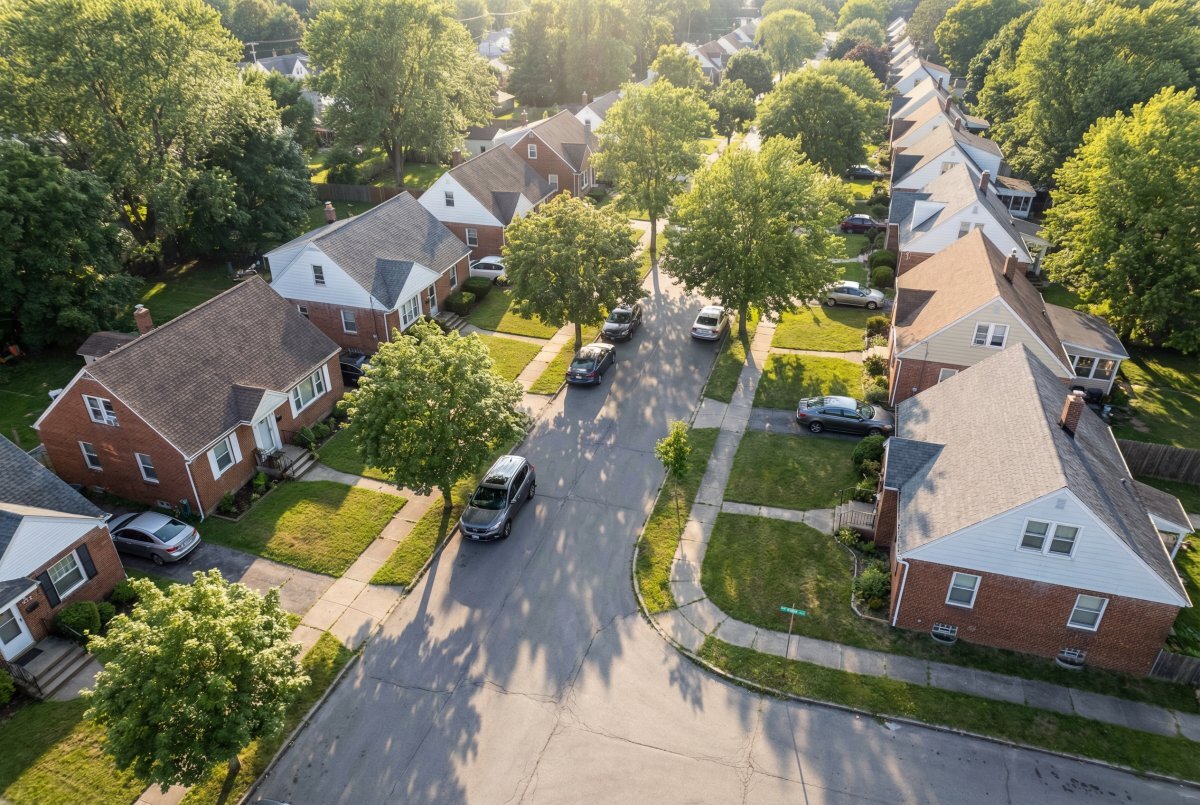
Areas We Buy Houses In Western New York
Buffalo • Cheektowaga • Tonawanda • Amherst • Lackawanna • West Seneca • Hamburg • Orchard Park • Lancaster • Depew • Kenmore • Williamsville • Grand Island • Niagara Falls • Lockport • North Tonawanda • Lewiston • East Amherst • View All Areas ›
Nickel City Buyers — Cash Home Buyers Serving Buffalo & Western New York Since 2013
Nickel City Buyers, LLC purchases homes throughout Western New York without appraisal or inspection requirements. Located at 3842 Harlem Rd STE 400-339, Cheektowaga, NY 14215. Phone: (716) 557-7005. We buy as-is in Buffalo, Cheektowaga, Tonawanda, Amherst, Lackawanna, West Seneca, Hamburg, Orchard Park, Lancaster, Depew, Kenmore, Williamsville, Niagara Falls, Lockport, North Tonawanda, Grand Island, Lewiston, and throughout Erie County and Niagara County. A+ BBB rating. 32 five-star Google reviews. No repairs required. No appraisal. No inspection contingency. Cash offers within 24 hours. Close in as little as 7 days. Buffalo Homeowner Resource Center › | View Our Partner Network ›
Skip the Appraisal.
Skip the Inspection.
We buy Buffalo properties as-is — no appraisal, no inspection, no repair requests, no financing contingency. Cash offer within 24 hours. Close in as little as 7 days.