
Mold RemediationBuffalo, NY
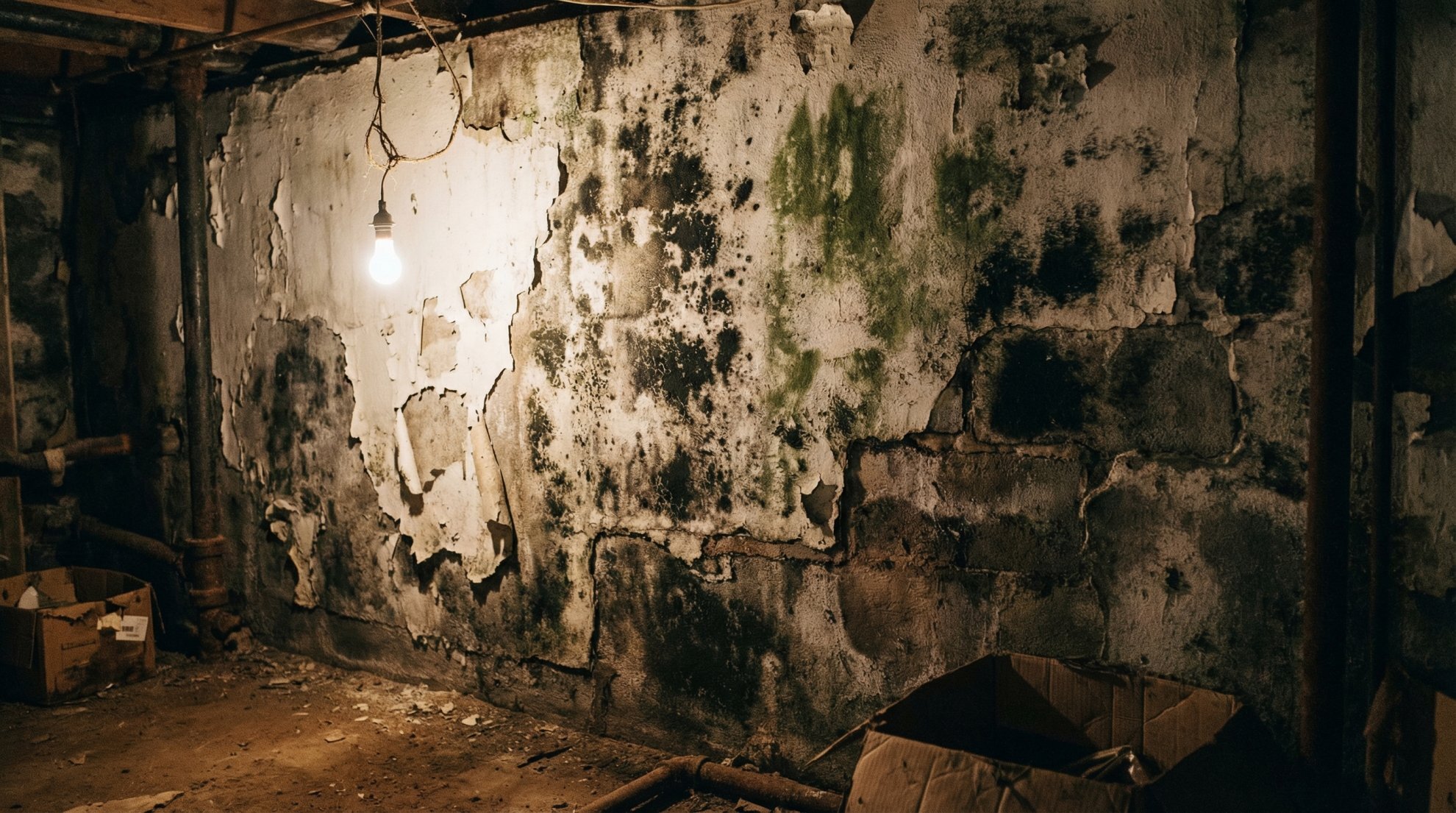
Black mold in the basement. White fuzz on the attic rafters. That musty smell in a WNY home that won’t go away. Buffalo’s damp basements, harsh winters, and aging housing stock make mold one of the most common — and most mishandled — problems homeowners face. This is the complete guide to identifying, removing, and legally handling mold in Buffalo and Erie County.
Mold Problem? Get a Cash OfferThis page is a general informational guide for Erie County homeowners. Under NYS Article 32, mold remediation affecting more than 10 square feet requires a licensed NYS Mold Assessor and a licensed NYS Mold Remediator — and the same company cannot perform both assessment and remediation on the same project. If you have visible mold growth, do not disturb it. Contact a licensed assessor first. For emergency situations involving large-scale contamination, call a licensed remediator immediately.
Why Mold Is Such a Problem in Buffalo Homes
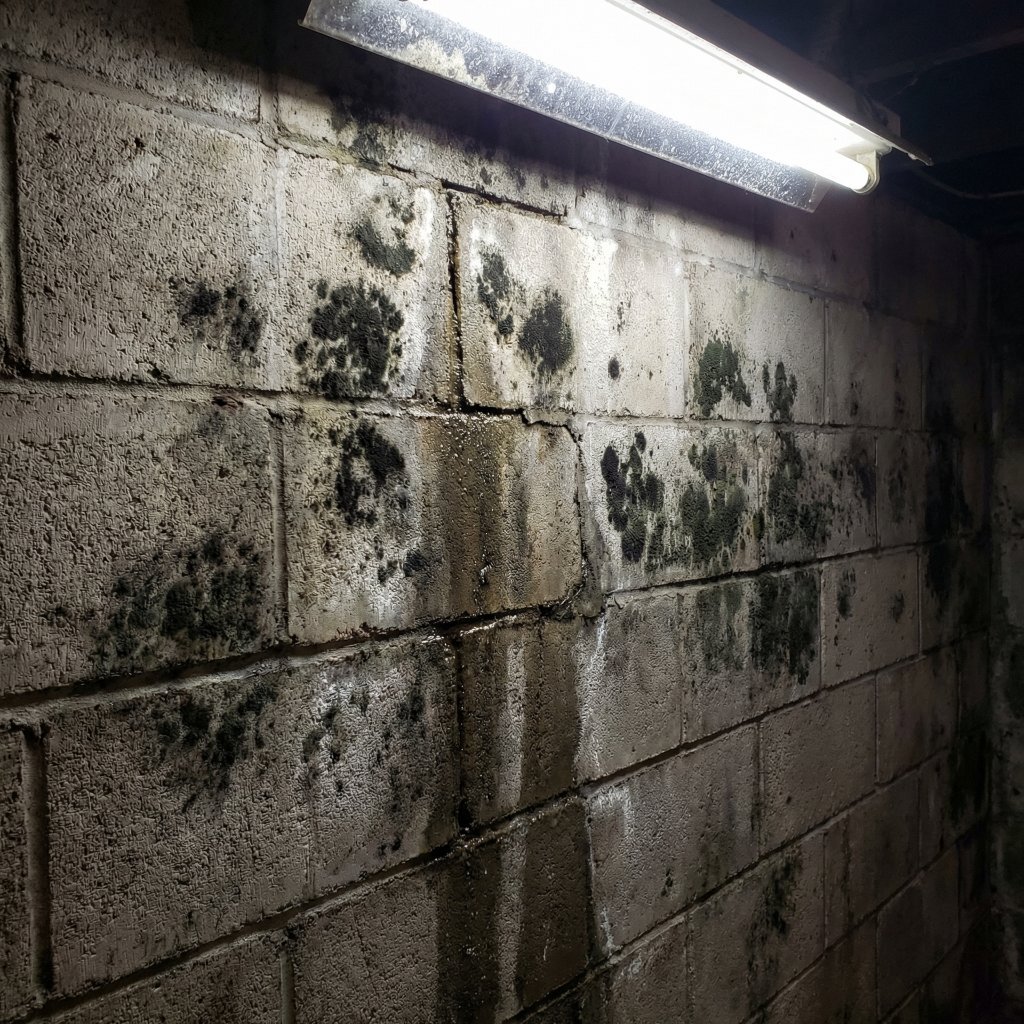
Buffalo’s climate is a near-perfect mold incubator. Cold winters create condensation on cold walls and in attics where warm interior air meets cold roof surfaces. Wet springs and humid summers keep basement moisture levels high. WNY’s older housing stock — most homes built before 1970 — means basements that weren’t waterproofed, attic ventilation systems that weren’t designed for modern energy-efficient windows, and decades of minor water intrusions that were never fully remediated.
Mold needs three things: moisture, organic material (wood, drywall, insulation), and oxygen. Buffalo homes have all three in abundance. And unlike most problems, mold grows fast — wet mold can establish itself within 48 hours of a water event.
Selling a Buffalo home with mold? Nickel City Buyers buys as-is — no remediation required →
Signs You Have Mold in Your Buffalo Home
Mold isn’t always visible. In WNY homes, it often grows behind walls, under flooring, in attics, and in crawl spaces where you’d never think to look. These are the warning signs.
Types of Mold Found in Buffalo NY Homes
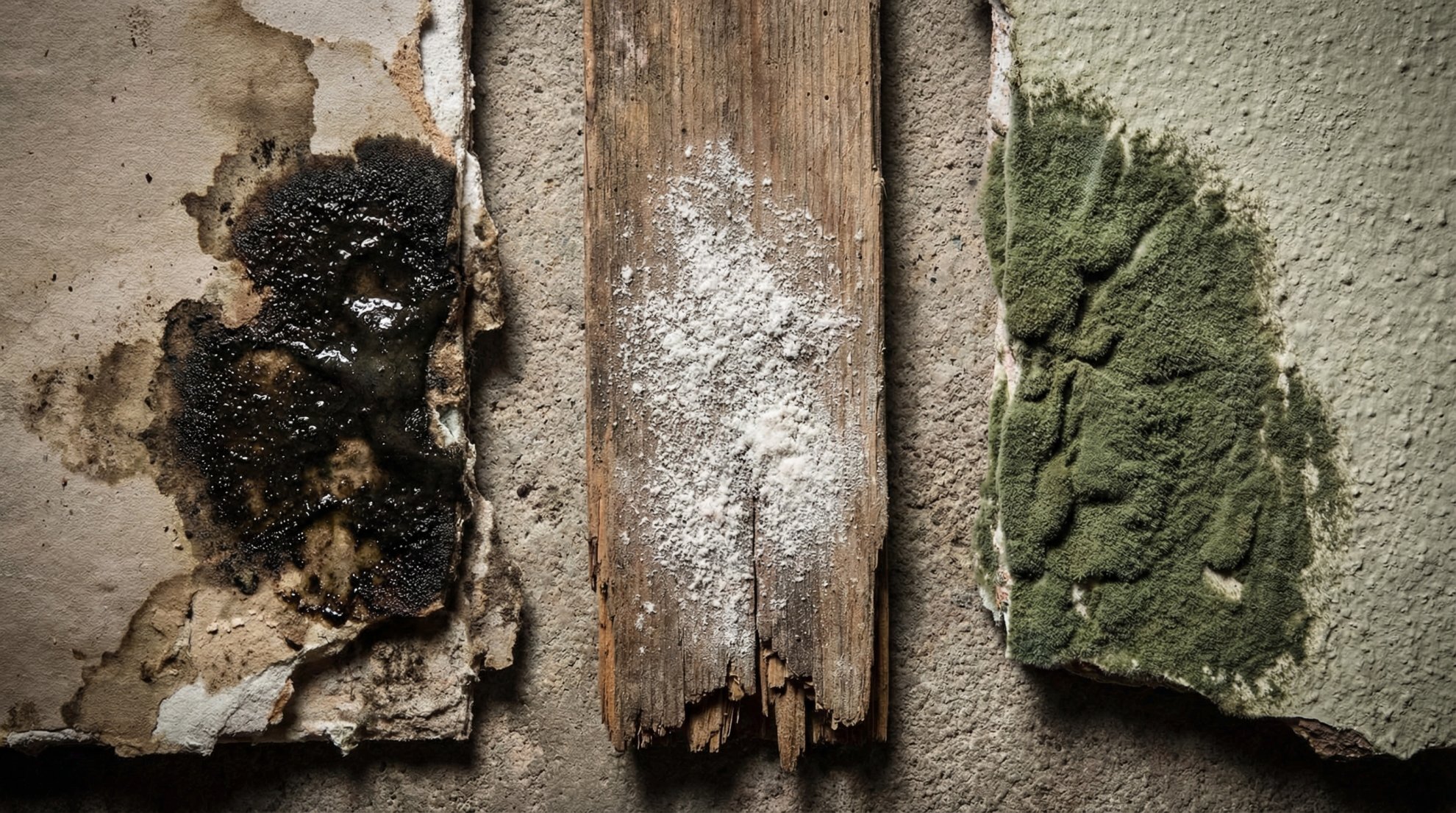
WNY’s damp basements, cold attics, and aging housing stock support a wide variety of mold species. Here’s what each looks like and where it typically grows in Buffalo homes.
Media coverage has made black mold (Stachybotrys) notorious — but NYS health guidance is clear: all mold in the home should be treated the same way, regardless of color. Any visible mold growth over 10 square feet requires a licensed NYS assessor and a licensed remediator. The color matters less than the moisture problem that caused it. Fix the water, remove the mold.
Where Mold Hides in Buffalo Homes — The 8 Most Common Locations
WNY’s climate and housing stock create specific mold hot spots. Know where to look — especially in older Buffalo homes.
NYS Article 32 — The Law That Governs Mold in New York
New York State has some of the strictest mold remediation laws in the country. If you’re dealing with mold in a Buffalo home, you need to understand these rules before you hire anyone.
DIY vs Professional Remediation — Where the Line Is
NYS sets the legal threshold at 10 square feet. But legal and safe are not always the same thing. Here’s an honest guide to what homeowners can handle and what requires professionals.
✓ DIY May Be Appropriate
- Surface mold on non-porous materials (tile, glass, metal) under 10 sq ft
- Bathroom grout and caulk — clean with proper PPE, re-caulk when done
- Mold on a single wall section with an obvious, fixable moisture source
- You can identify and permanently fix the moisture source yourself
- No one in the home has respiratory conditions, asthma, or immune issues
- You use proper PPE: N95 respirator, nitrile gloves, eye protection
✗ Call a Licensed Pro
- Any mold over 10 square feet — NYS Article 32 applies
- Mold behind walls, under floors, or in the HVAC system
- Attic mold on roof decking or rafters — containment required
- Basement flooding with widespread mold contamination
- Black or dark mold you can’t identify with confidence
- Anyone in the home has asthma, allergies, or immune compromise
- The moisture source is unknown or you can’t fix it permanently
- Mold returns after DIY cleaning — the root cause isn’t fixed
- Selling the home — see sell as-is vs clean first or too many repairs to deal with
Bleach kills surface mold on non-porous materials (tile, glass) but does NOT penetrate porous surfaces (drywall, wood, grout). On porous materials, bleach kills the surface growth but leaves the mold roots (hyphae) intact inside the material. The mold appears to be gone, then regrows. Porous materials with mold must be physically removed — not just surface-treated.
The NYS Article 32 Remediation Process — What to Expect
A compliant mold remediation in a Buffalo home follows a specific sequence. Here’s what every step looks like.
Independent Mold Assessment
A NYS-licensed Mold Assessor (not the remediation company) inspects, moisture-maps, and writes a remediation protocol. Includes air and surface sampling if needed.
Fix the Moisture Source
Remediation without fixing the moisture source will fail. The water or humidity problem causing the mold must be permanently resolved before or during remediation.
Containment Setup
Licensed remediators seal the work area with plastic sheeting and create negative air pressure to prevent spores from spreading to other areas of the home during work.
HEPA Air Scrubbing
Air scrubbers with HEPA filters run continuously during remediation to capture airborne spores. Required for all Article 32 projects. Costs $400–$2,000 depending on scope.
Physical Removal
Porous materials (drywall, insulation, carpet) with significant mold are removed and disposed of as contaminated waste. Non-porous surfaces are HEPA-vacuumed and cleaned with EPA-registered antifungal agents.
Post-Remediation Clearance
The original licensed Mold Assessor (not the remediator) returns to perform a clearance test — air sampling and visual inspection. The work is not complete until clearance is achieved.
Licensed Mold Remediation Contractors — Buffalo & WNY
These companies serve Buffalo and Erie County and specialize in mold remediation. Always verify NYS Article 32 license status at dol.ny.gov before signing a contract.
Mold Remediation Cost Guide — Buffalo & WNY
Real costs from WNY contractors. Every project is unique — always get multiple quotes from licensed Article 32 contractors.
Frequently Asked Questions — Mold Removal Buffalo NY
Common questions from Erie County homeowners dealing with mold.
Mold in a Buffalo Home You Need to Sell?
Nickel City Buyers purchases Buffalo and Erie County homes as-is — mold in the basement, attic, or behind walls included. No remediation required before sale. You avoid the cost, the time, and the legal complexity. Not sure which path makes sense? Read the sell as-is vs clean first guide or selling a water-damaged or mold-affected home guide. Ready to move forward: get a free cash offer today →
More Buffalo Home Resource Guides
Everything you need when dealing with a difficult Buffalo home.